Creating Calming Bedtimes: A Parent's Guide to Kids' Sleep and Bedding
A Time-style editorial taking you through practical routines, breathable textiles, and expert perspectives to nurture peaceful nights for children aged 0–10, with a spotlight on bedding that supports sleep health and comfort.
In a world of early alarms, school bells, and screen glow, bedtime becomes a quiet battlefield where routines, space, and comfort can tip the balance between rest and restlessness. The domain bedtimebedding.com evokes a warm, guiding presence—the kind of space where parents find evidence-based tips, gentle rituals, and bedding that helps children drift toward sleep with ease. This article distills a practical, parent-centered approach to calming bedtimes, drawing on age-appropriate bedding choices, soothing routines, and the insights of notable figures who shaped how we think about sleep across eras.
Three Key Figures Across Time: Insights that Shape Modern Sleep Rituals
Hypatia of Alexandria (c. 370–415)
An ancient scholar whose approach to knowledge and method inspires parents to build rational, data-informed routines around sleep. While not a sleep expert, her insistence on clarity of thought encourages parents to document and reflect on bedtime patterns, then adjust with intention.
Benjamin Franklin (1706–1790)
A proponent of systematic habit formation, Franklin’s emphasis on routines and discipline translates into predictable bedtimes for kids. Consistency, like his famed "early to bed, early to rise," can help children regulate circadian rhythms and reduce night awakenings.
Dr. Matthew Walker (late 20th–early 21st century)
A modern voice on sleep science, Walker emphasizes sleep timing, duration, and quality. His insights underpin practical tips for kids: regular bedtimes, winding-down rituals, and bedding that supports temperature regulation and comfort.
1) Toddler to Early Childhood: Bedtime Routines That Promote Self-Soothing
A steady wind-down signals the brain that night is coming. Build a cue sequence that is predictable, soothing, and safe. The goal is a transition from wakefulness to restful sleep without drama. Consider a 20–40 minute window of quiet activities that signal bedtime: dim lights, a warm bath, brushing teeth, soft storytelling, and a gentle cuddle. For many families, this routine creates an “autopilot” moment, reducing resistance and night awakenings.
- Consistency is king. Pick a start time and a sequence (bath, book, bed) and stick to it on weekdays and weekends alike.
- Soundscape matters. Gentle, repetitive sounds—soft lullabies, a calm audiobook, or white noise—help mask environmental disturbances and cue sleep.
- Safe sleep spaces. Ensure cribs and beds meet safety guidelines: firm mattresses, fitted sheets, and a clutter-free environment that minimizes stimulation.
2) Selecting Bedding Options for Different Ages
Bedding is not merely a decorative element; it’s a functional layer that impacts temperature, moisture management, and tactile comfort. From baby cribs to growing beds, choosing fabrics that breathe, wash well, and minimize allergens can meaningfully improve sleep quality.
Newborns to Infants
For the earliest sleep spaces, opt for breathable, hypoallergenic fabrics. Consider organic cotton crib sheets with a snug fit to minimize the chance of crib-tangling hazards. Layer a breathable muslin blanket for warmth, but avoid heavy, loose blankets in the crib that pose suffocation risks.
Products to explore: organic muslin crib sheets, breathable muslin blankets, and washable mattress protectors that guard against moisture without compromising airflow.
Toddlers and Early Readers
As children transition from cribs to beds, bedding should accommodate growing bodies while maintaining safety. Choose sheets with deeper pockets for secure fit on thicker mattresses, and consider reversible blankets or throws that can adjust to seasonal temperatures.
Tip: prioritize fabrics that wash easily and resist pilling, so nighttime accidents and spills stay manageable.
3) Textiles That Support Sleep Health
Textile choices directly influence sleep comfort. Hypoallergenic materials reduce nighttime irritation, while breathable fibers help regulate body temperature, a key factor in sleep continuity. Here are core categories and practical guidance drawn from contemporary bedding lines, including specific product insights from Savvy Rest and Healthy Choice lines that can inform parent decisions.
Breathability and Temperature Regulation
Select sheet sets and blankets that promote airflow. Cotton and linen blends, especially organic options, are excellent for warmer climates or kids who sleep hot. For winter, layer with a light wool or cotton-blanket that remains breathable rather than heavy synthetics.
Hypoallergenic and Safe Materials
Look for GOTS-certified organic cotton, OEKO-TEX fabrics, and textiles free from heavy chemicals. Products featuring organic cotton with natural fibers reduce exposure to chemical residues and support sensitive skin.
Product Spotlight: Savvy Rest Body Pillow
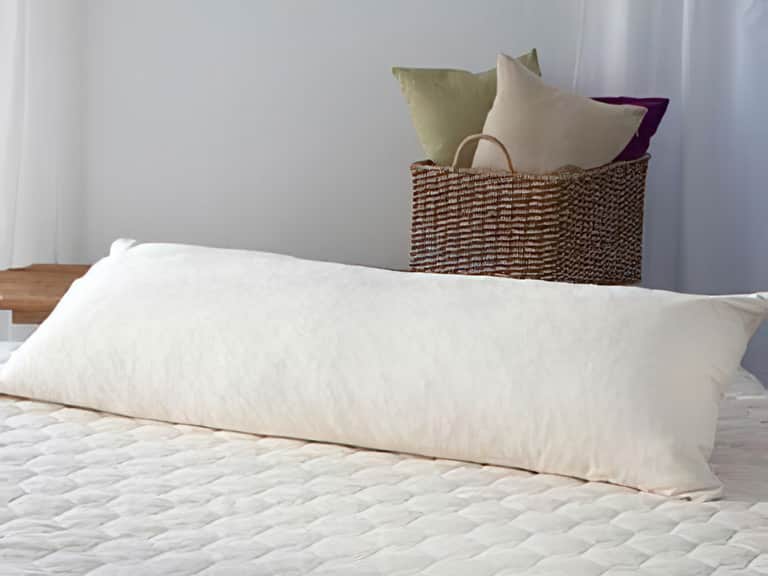
A practical example of how the right pillow can impact sleep quality for kids and parents alike is the Savvy Rest Body Pillow. This adjustable pillow lets you select fills—from shredded natural latex to organic wool or kapok—then tailor loft by removing or adding fill. It’s designed to cradle the neck and shoulders, supporting spinal alignment and reducing wakefulness caused by discomfort.
For families, this translates to a calmer pre-sleep period and a more restful night. The cover uses organic cotton, and the product is part of a broader family of sustainable bedding designed to minimize exposure to allergens and toxins.

Savvy Rest Body Pillow, SKU SAVVYREST-BODY-PILLOW, $229.00 (currently with a limited-time offer). This adjustable pillow aligns with a gentle, health-forward sleep philosophy and complements a child’s bedtime sanctuary that evolves with age.
4) Expert Tips and Parent-Shared Best Practices for Reducing Night Awakenings
Sleep science emphasizes routine, environment, and predictable cues. In the spirit of Time magazine’s lucid storytelling, here are concise, actionable strategies that families can adopt to reduce night awakenings and support steady sleep progression.
- Establish a consistent wind-down routine, with a defined sequence and a predictable end time.
- Optimize the sleep environment: cool, dark, and quiet, with breathable bedding and a dust-mite–resistant surface.
- Implement a nap transition plan for toddlers: clear, noiseless cues that help them recognize quiet time and gradually reduce daytime sleep as needed.
5) Creating a Kid-Friendly Sleep Sanctuary
A bedroom that feels safe and cozy reduces stress and fosters better sleep. Light-colored, tactile textures and a modular approach to bedding help children feel secure while enabling parents to adjust the space as kids mature. Consider a layering approach: a breathable sheet set, a light blanket, and a duvet or comforter that can scale with the seasons. When safety and comfort converge, bedtime becomes a calmer, more predictable moment for the family.
Textural Comfort and All-Season Design
Choose a mix of cotton-sateen sheets for softness and linen for temperature regulation. Layer blankets and consider a washable wool pad for mattress protection that remains breathable. A blanket with a waffle texture offers warmth without bulk and enhances the room’s tactile character without sacrificing sleep quality.
Allergen-Aware Practices
Regular washing of bedding in non-toxic detergents, using protective covers for mattresses and pillows, and selecting organic materials help minimize allergen exposure and promote calmer nights.
Conclusion: Sleep That Nurtures Body and Mind
Calming bedtimes are less about magic and more about intentional design: consistent routines, breathable and safe bedding, and mindful environmental control. By weaving together time-tested routines with modern textiles, parents can cultivate a sleep-friendly home where children learn to self-soothe, nap transitions become smoother, and nightly rest becomes a cherished, predictable rhythm. The domain bedtimebedding.com hints at this possibility—a reliable space where knowledge, empathy, and the science of slumber converge to shape healthier, happier nights for families.