 Bedding
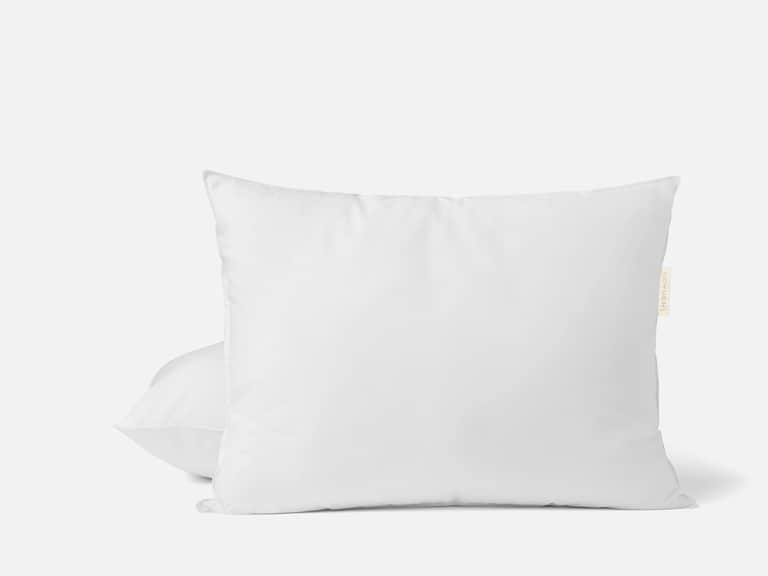
Down Pillow
Sleep cooler and cradled by breathable, lofted down—softly cushioned under your head with reliable support, crafted in the USA from organic cotton for a gentle, long-lasting feel.
Pillows are essential for aligning the head, neck, and shoulders during sleep, supporting proper spinal posture and comfort. This category highlights common pillow types, materials, and construction features that influence firmness, loft, and breathability. Understanding these characteristics helps identify suitable options for different sleeping positions and sleep environments within bedtimebedding.com.
Down pillows combine softness with support through feather-down clusters that cushion contours while enabling adjustable loft. Key features include fill power, plume count, and encasings that enhance durability and allergy considerations. Down pillows are valued for their responsiveness and ability to regain shape after use, contributing to a restful-night experience.
Memory foam pillows offer targeted support by conforming to the neck and head, distributing weight to reduce pressure points. Variants may include shredded or solid foam, cooling materials, and ergonomic profiles designed for side, back, or stomach sleepers. These pillows emphasize alignment, motion isolation, and long-term resilience.
In addition to down and memory foam, pillow designs may incorporate hybrid fills, latex cores, or microfiber blends to balance softness and support. Important features to note include fill density, edge stitching, and moisture-wicking covers. Proper pillow selection complements bedding systems such as sheets and duvet covers for a cohesive sleep environment.
Understanding pillow maintenance and longevity is critical for sustained comfort. Regular fluffing, pillowcases that promote breathability, and appropriate washing guidelines extend performance and hygiene. By evaluating product names, features, and benefits—such as support level, loft adjustments, and allergies—sleepers can make informed choices aligned with their sleep goals.
Bedding