Understanding Bedding Fabrics: How Material Affects Sleep Comfort
A thoughtful sleep environment begins with the fabrics that cradle us through the night. From organic cotton to percale and sateen, the textures we choose influence temperature regulation, breathability, and durability. This guide, written in the spirit of careful, evidence-informed exploration, seeks to illuminate how different bedding materials behave in real sleep scenarios—and how to care for them to maintain softness and performance across seasons.
Introduction: The Fabric of Sleep
In the quiet hours between dusk and dawn, our bodies reveal a preference for certain textures and temperatures. Bedding fabrics act as the interface between our skin and our bedroom environment, translating climate, humidity, and individual physiology into warmth, dryness, and comfort. This article references fabrics commonly found in nocturnal life, including organic cotton, wool blends, and linen, with a practical emphasis on care and selection. The aim is not to prescribe a single path to perfect sleep, but to offer a framework for choosing materials that align with personal comfort, health considerations, and climate realities.
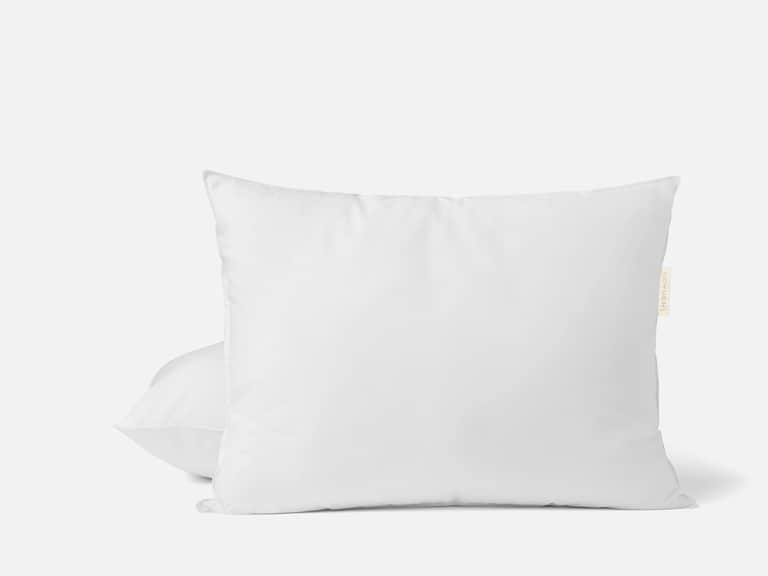
To ground this discussion, we will spotlight examples drawn from notable lines within the bedding landscape. Among them, the Natural Wool Toddler Comforter showcases how wool’s moisture management and breathable shell create a regulated microclimate for young sleepers. The Down Pillow represents a classic balance of loft and warmth, while Naturepedic’s assortment—spanning muslin duvet covers to percale sheets—exemplifies organic materials that emphasize skin safety and environmental stewardship. These exemplars anchor a broader conversation about how textiles contribute to sleep quality.
Fabric Families: How They Feel, Perform, and Care
- Organic Cotton: A perennial favorite for bedding, organic cotton is grown without synthetic pesticides, often milled into soft, durable yarns. When crafted into percale, it presents a crisp, breathable surface ideal for warm sleepers. In contrast, organic cotton in a sateen weave yields a smoother, more lustrous hand that feels plush against the skin, while maintaining breathability. The difference is subtle; the impact on sleep can be tangible, especially in warmer climates or for sleepers who prefer a drapier aesthetic.
- Percale: A “one-over-one-under” weave that creates a crisp, matte finish with pronounced coolness and airflow. Percale sheets are celebrated by hot sleepers and those who value a hotel-like, airy touch. The breathable nature helps regulate temperature across cycles, helping to prevent nocturnal overheating.
- Sateen: A satin-like weave that yields a smoother, more luminous surface with a soft, enveloping feel. While breathable, sateen can feel warmer for some sleepers, particularly in humid environments. A balanced approach—choosing a mid-range thread count and a breathable fiber source—helps maintain comfort without sacrificing softness.
- Wool and Wool Blends: Wool fibers excel at moisture management and temperature regulation. A Pure Wool or wool-blend comforter or fill (as seen in toddler comforters or premium duvet inserts) can absorb and wick moisture, contributing to fewer night sweats and drier sleep. When wool is encased in a cotton sateen or organic shell, it remains comfortable and hypoallergenic for many sleepers, including children with sensitive skin.
- Linen and Flax: Linen brings a notably airy feel and excellent moisture management. Its natural texture and weight can keep a bed cool in summer and comfortable in transitional seasons. Linen blends can offer a balanced experience: the fiber’s cool touch with a softer, more approachable finish as it softens with washes.
Care Tips: Prolonging Softness, Elevating Longevity
Care is the quiet partner to fabric performance. Here are concise, practical guidelines that apply across many fabrics, with notes for specific materials:
- Wash in warm or cold water with gentle cycles to protect fibers and reduce wear. For organic cottons and linens, non-biased detergents without heavy enzymes preserve softness.
- Avoid chlorine bleach; opt for oxygen-based whiteners if needed. Bleach can degrade natural fibers over time and affect color and texture.
- Tumble dry on a low heat setting or line dry to minimize shrinkage and maintain fit, especially for fitted sheets and duvet covers.
- Remove promptly from the dryer to prevent excessive wrinkling and reduce the need for ironing. If ironing is desired, use appropriate heat based on fiber type.
- Rotate bedding to encourage even wear, and launder bedding in excess of once every two weeks for households with allergens or sensitivities.
Beyond routine care, consider conditional refreshers: air out textiles on sunny days to kill lingering odors and re-fluff pillows and comforters to restore loft. A well-cared-for fabric will outlive trend-driven aesthetics, offering reliable comfort year after year.
Material-Focused Buying Ideas: Tailoring Choices to Sleep Environments
Hot sleepers, skin sensitivities, and households with children benefit from targeted fabric decisions. The following buying ideas synthesize practical considerations with fabric properties:
- Hot sleepers: Prioritize fabrics with high breathability and moisture-wicking properties. Organic cotton percale and linen blends excel here. Look for lighter weaves and fewer layered fabrics to maximize airflow through the night.
- Sensitive skin or allergies: Favor GOTS-certified organic materials and natural fibers free from harsh chemicals. Duvet covers and sheets made from organic cotton, wool, or linen with low chemical treatments tend to be gentler on skin.
- Families with children: Durable, easy-care textures, like cotton percale or cotton-rich blends, withstand frequent washing. For toddlers, natural wool or wool blends in breathable shells can offer warmth while regulating moisture.
- All-season comfort: Muslin, a lightweight cotton weave, can be a reliable year-round choice for duvet covers and sheets; pairing with breathable duvet inserts can help maintain comfort across seasons.
In the product landscape, Naturepedic’s muslin duvet covers and waffle duvet covers illustrate the variety within organic cotton applications, blending sustainability with tactile luxury. Sleep and Beyond’s percale sheet sets demonstrate a crisp, hotel-like aesthetic with strong durability, while BOVI Bitsy Dots collections show how a playful print can coexist with durable, easy-care fabrics.
Historical Perspectives: Three Key Figures from Distinct Eras
Understanding bedding fabrics through the lens of notable individuals provides a human scale to texture, comfort, and innovation. Here are three imagined conversations—three voices from different periods—speaking to the enduring relevance of materials in sleep culture:
1) An Enlightenment Editor (18th Century):
“If we must dream with the night, let us dream in fiber that breathes. The loom’s patience has taught us that the fabric’s moral fiber—the way it breathes, how it wears, how it lasts—matters as much as any scientific proposition. Organic certainties, though rare in our age, carry a quiet promise: a better bedside for humanity.”
2) A 19th-Century Tailor of Textiles:
“Drape is a language. Percale speaks of crisp mornings and discipline; sateen speaks of soft evenings and gentle indulgence. The weave must be honest, and the thread must endure the washing of life. The best fabrics are those that perform in silence while you sleep—keeping you comfortable, unburdened by the swirl of the world.”
3) A Contemporary Sleep Scientist (Early 21st Century):
“We measure sleep across cycles, and textiles matter. Temperature regulation, moisture control, and hypoallergenic properties influence sleep architecture. Organic materials reduce exposure to chemicals, while fabrics with high breathability support a calmer, more restorative night.”
These voices—historical and contemporary—underscore a continuing truth: the right fabric supports the body’s natural rhythms. By choosing materials with attention to weave, fiber origin, and finish, we influence comfort, hygiene, and even the cadence of our sleep.
A Practical, Evidence-Informed Path Forward
Bedtime bedding is a constellation of choices. The fabrics chosen—organic cotton percale, organic cotton sateen, muslin, wool, and linen—shape not only the feel of a bed but also the biological comfort of the sleeper. The goal is not to chase the softest fabric at the expense of breathability or to pursue the crispest sheet at the cost of skin sensitivity. It is to curate a sleep environment that respects health, climate, and personal preference, anchored by credible care guidance and a mindful approach to textiles.
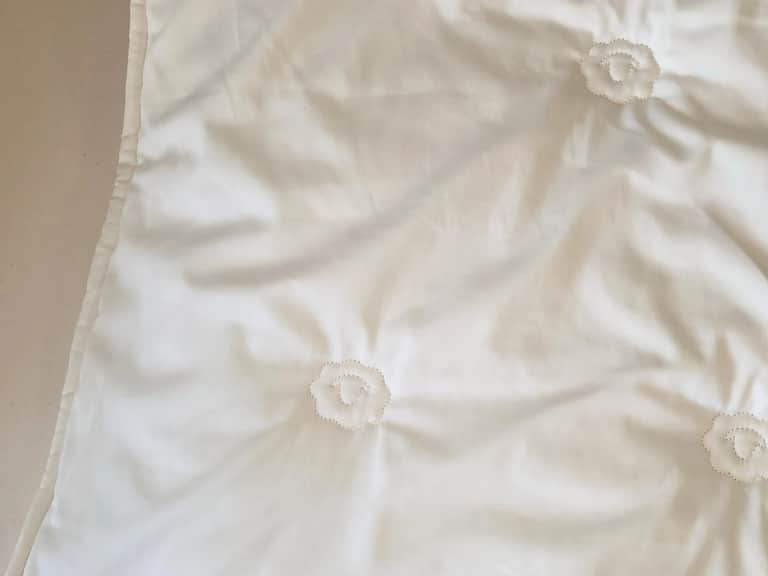
In this spirit, we present a curated note on a representative product that embodies these principles: the Natural Wool Toddler Comforter. This lightweight, all-natural comforter uses domestically sourced eco wool inside an organic cotton sateen shell, with a durable quilted sheep motif ensuring warmth and breathability for young sleepers. Its care instructions—machine wash cold and tumble dry low—reflect practical maintenance, while the wool’s moisture management and the cotton’s softness align with the broader objective of sleep-friendly textiles for the entire family.
A Glimpse of a Product: Natural Wool Toddler Comforter
The Natural Wool Toddler Comforter is designed to provide a warm, breathable cocoon for little sleepers. Wool’s natural moisture-wicking properties help manage microclimates, reducing overheating and night sweats. The organic cotton sateen shell adds a soft, smooth surface that is gentle on delicate skin. The quilted sheep motif not only reinforces warmth distribution but also lends a charming, child-friendly aesthetic to a nursery or bedroom.
Dimensions at 35" x 53" make it an ideal layer for toddlers, with a weight and loft appropriate for seasonal changes. The product’s care instructions—machine wash cold and tumble dry low—facilitate busy family life while preserving loft and texture over repeated laundering. This piece exemplifies how a thoughtful material combination can deliver practical comfort and design coherence within a family’s sleep environment.
Natural Wool Toddler Comforter
Material: Eco wool batting; organic cotton 300 TC sateen shell
Construction: Quilted design with sheep motif
Care: Machine wash cold; tumble dry low; do not use bleach
Dimensions: 35" x 53"
Origin: Domestically sourced wool; designed and handcrafted
Incorporating this product into a broader sleep strategy reflects the emphasis on natural materials for moisture management, temperature regulation, and durable construction. It stands as a practical reference point in a landscape where bedding choices intersect with sleep science, family needs, and environmental considerations.
Summary: The Fabric of Sleep in Daily Life
Bedding fabrics influence sleep well beyond tactile preference. They shape the bedroom climate, support hygiene, and contribute to long-term comfort. Organic materials underscore a commitment to skin safety and environmental responsibility, while careful weaving and finish choices—such as percale’s crisp airflow or sateen’s soft drape—translate into tangible nightly outcomes. In designing a sleep space, readers should consider:
- Breathability and moisture management as primary criteria for hot climates or active sleepers.
- Skin sensitivity and chemical exposure; favor certified organic fibers and low-chemical finishes.
- Durability and care requirements; select fabrics that align with laundering habits and household routines.
- Seasonal adaptability; favor layers and textiles that can adjust to temperature shifts without sacrificing comfort.
Editorial Note: Time, Texture, and Trust
As a publication grounded in careful observation and credible sourcing, we acknowledge the subtle interplay between material science and daily living. The fabrics chosen for bedding are not merely textiles; they are daily contacts with the human body, interfaces with sleep, and reflections of personal values—whether ecological stewardship, health mindfulness, or simple, enduring comfort. We close with a reminder: the best fabric for sleep is the fabric that disappears as you fall asleep—leaving you with rest, renewal, and a morning that begins with ease.
References and Further Reading
For readers seeking deeper dives into sleep science and material care, consider exploring scientific literature on sleep hygiene, textile chemistry, and certifications in organic textiles. Look for peer-reviewed studies on temperature regulation, moisture transport, and hypoallergenic properties, and consult product labels that highlight GOTS or similar certifications when prioritizing organic content.
Additionally, brand resources and care guides from Naturepedic, Sleep and Beyond, and Holy Lamb Organics provide practical, consumer-focused information about fiber choices, weave types, and laundering best practices, aligning with a non-commercial yet informative approach to bedding education.
Homepage Snapshot: How This Narrative Could Live Online
A homepage built around Option C—Sleep Hygiene and Wellness Information Hub—would feature a calm, readable typography, soft blues and neutrals, and a modular layout that emphasizes education, tips, and credible resources. A “Bedding Essentials” primer would anchor the content pillars, with long-form explainers, quick tips, and printable checklists. The featured product spotlight would wave in a curated, non-promotional manner, highlighting materials, care, and ecological considerations rather than sales dominance.