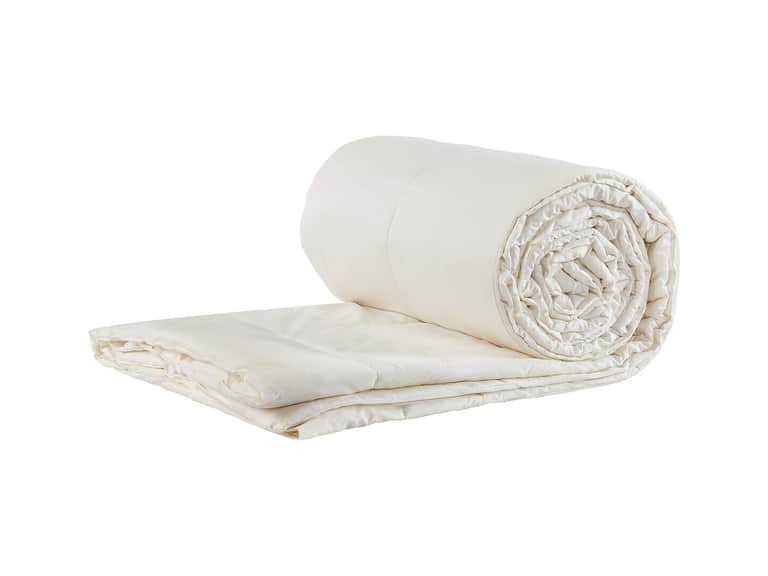
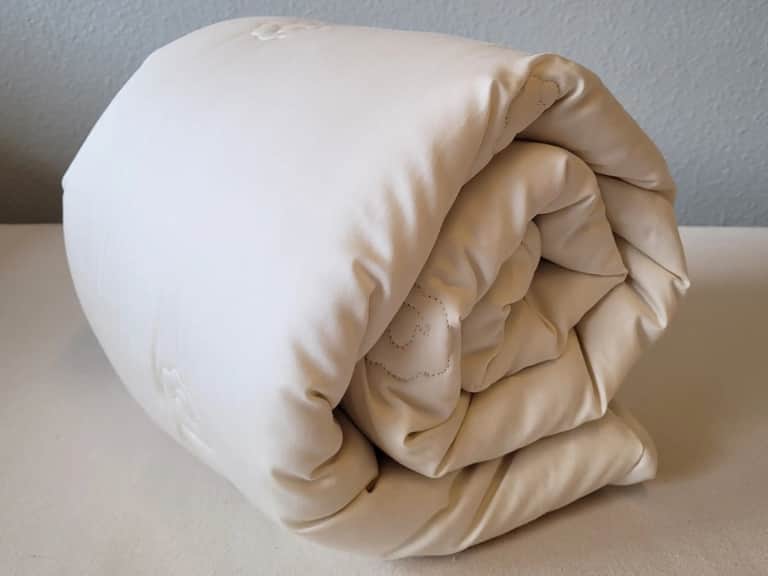
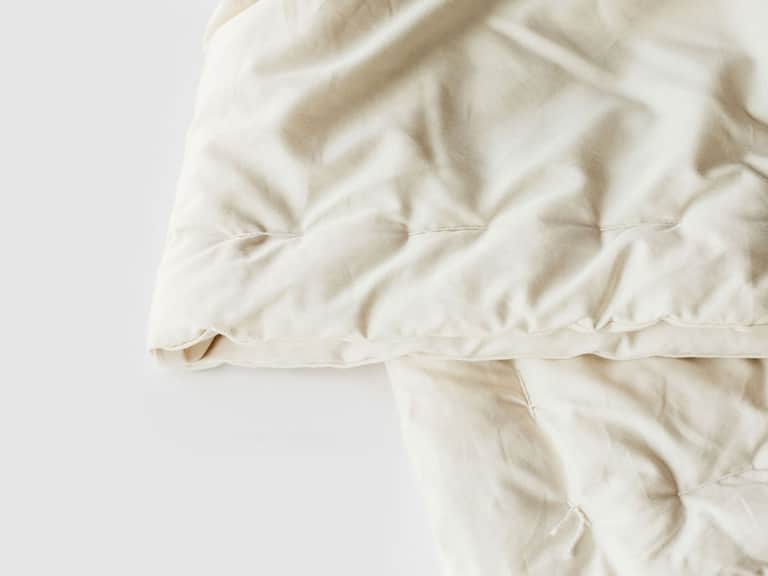
Wool comforters provide natural temperature regulation and breathability, making them a versatile choice for year-round comfort. The inherent moisture-wicking properties of wool help maintain a balanced sleeping environment, reducing overheating while retaining warmth when temperatures drop. This category highlights how wool fibers contribute to a restful night’s sleep through durable, long-lasting insulation.
Merino wool, in particular, offers fine, soft fibers that minimize itch while delivering excellent warmth. Wool comforters often feature nested layers or lofted fills to create a cozy, cloud-like feel without bulk. Understanding fiber structure, loft, and fill weight helps shoppers gauge warmth levels and suitability for varying climates and sleep preferences.
Sleep and Beyond myComforter exemplifies how wool blends can balance warmth with lightness, while the Sleep and Beyond myMerino Wool Comforter Light emphasizes a lighter option for milder environments. Key features to note include fiber origin, natural flame resistance, odor mitigation, and the ability to regulate humidity for a healthier sleep surface.
In addition to comfort, durability and care are important considerations for wool bedding. Wool repels some common allergens and can resist dust mites, contributing to a cleaner sleeping environment. Proper care instructions, such as occasional airing and following washing guidelines, help preserve loft, insulative properties, and overall longevity.
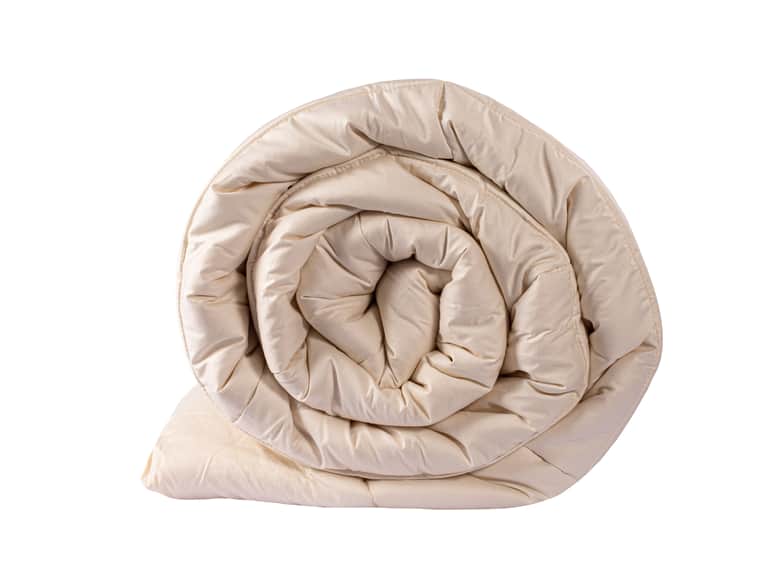
Understanding product specifications, including fill type, loft height, and shell fabric, enhances the ability to compare wool comforters with other bedding materials. The included examples illustrate how wool is used to achieve varying warmth ratings, making these comforters suitable for diverse sleeping styles, climates, and comfort needs.
 Bedding